
Canon 5D Mark IV Review: The Landscape Photographer’s Workhorse
Still the camera in my rucksackLast updated: October 2026
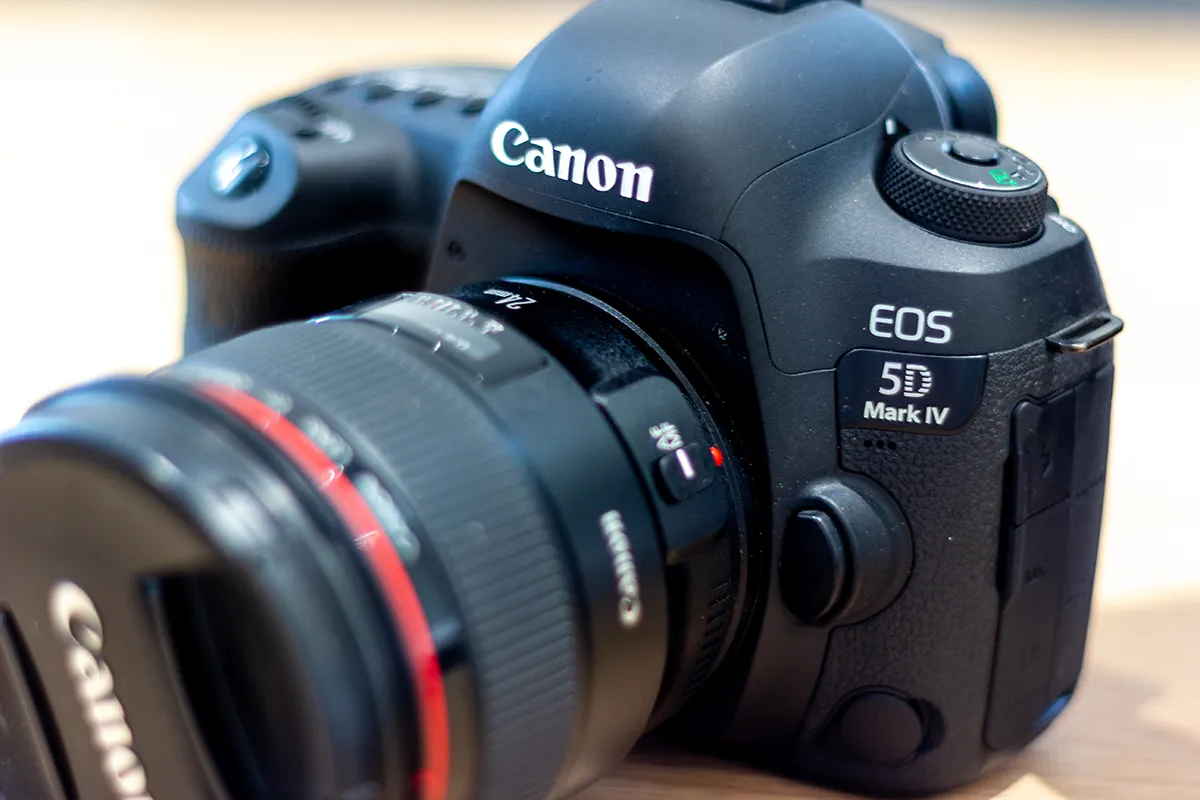
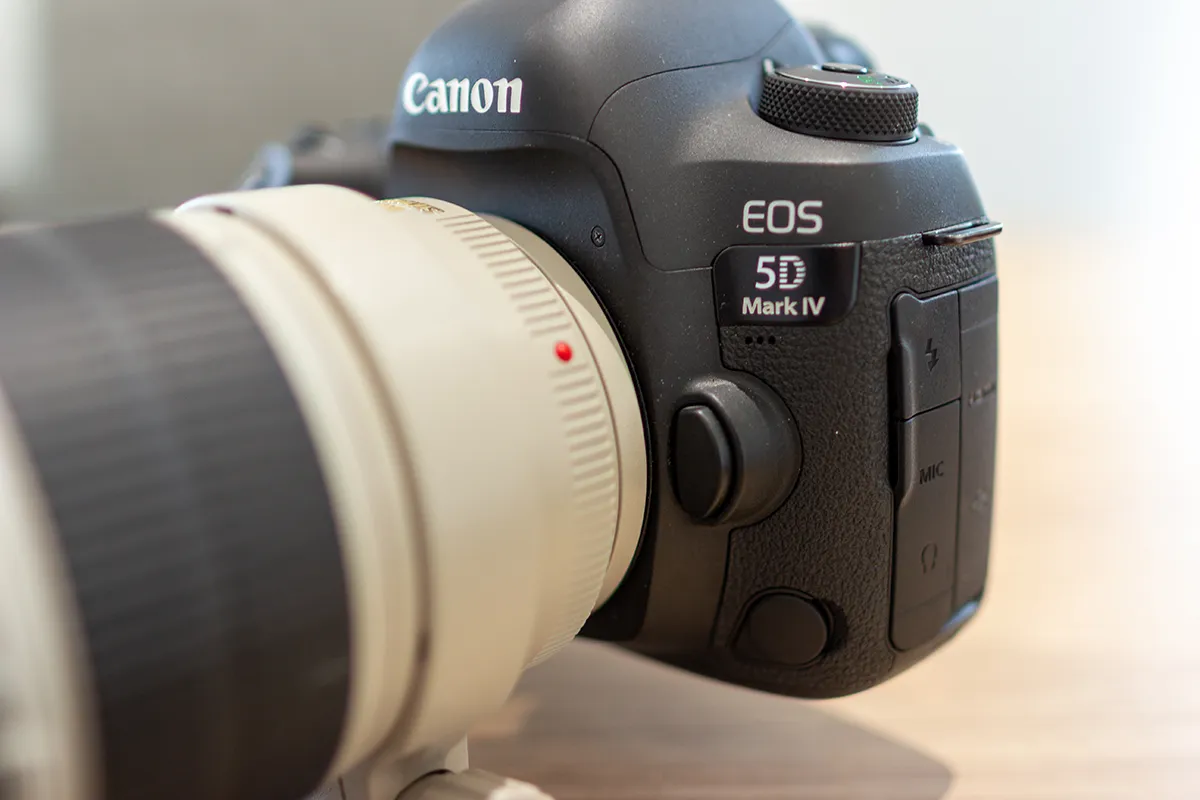
The Canon 5D Mark IV is the camera in my rucksack for landscapes, long exposures, fine art and timelapses. It isn’t new, and it isn’t small, but it does the job every time I take it out. That’s more than I can say for most things that live in my rucksack.
This Canon 5D Mark IV review covers why I bought it, what it’s brilliant at, and the two things that bother me. There are only two, which for a camera I’ve carried up this many hills is a good result.
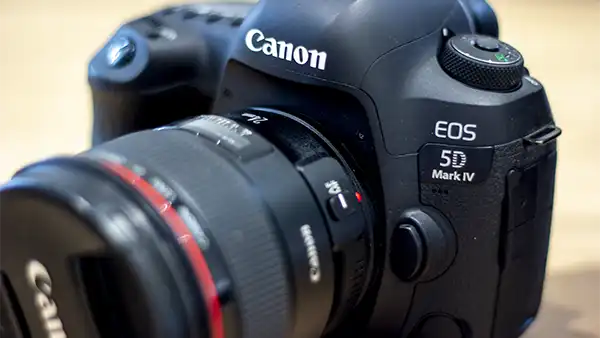
Why I chose the 5D Mark IV
I learned photography on a Canon 60D. It was a trusty workhorse, but the crop sensor and its dynamic range held me back on high-contrast landscapes. I wanted full frame, so my lenses could finally do what they were built for.
I found a barely used 5D Mark IV for £1,300, well under the price of a new one. As a Yorkshireman, paying full price for a camera body was never really on the table.
I later had Canon add C-Log for video, and I use PolarPro variable NDs when I film in bright light. I’m still learning the video side. The camera is ready; I’m catching up. My filters live in a MindShift Filter Hive with my LEE100 kit.
What Makes It Brilliant
Dynamic range: coming from the 60D, this was the big one. The full-frame sensor holds far more detail in bright skies and dark foregrounds, so fewer scenes force a choice between blown highlights and blocked shadows.
30.4MP resolution: enough for big prints and room to crop, without files so large they slow the edit down.
Dual Pixel autofocus and touchscreen: in live view I can tap exactly where I want the focus, which makes precise focusing on a tripod quick, especially with the Canon EF 70-200mm f/2.8L IS II USM.
Build and weather sealing: it has been out in rain, wind, sea spray and snow, and it just keeps working. It complains less than I do. I don’t worry about the weather, so I can concentrate on the shot.
Long Exposure and Fine Art Photography
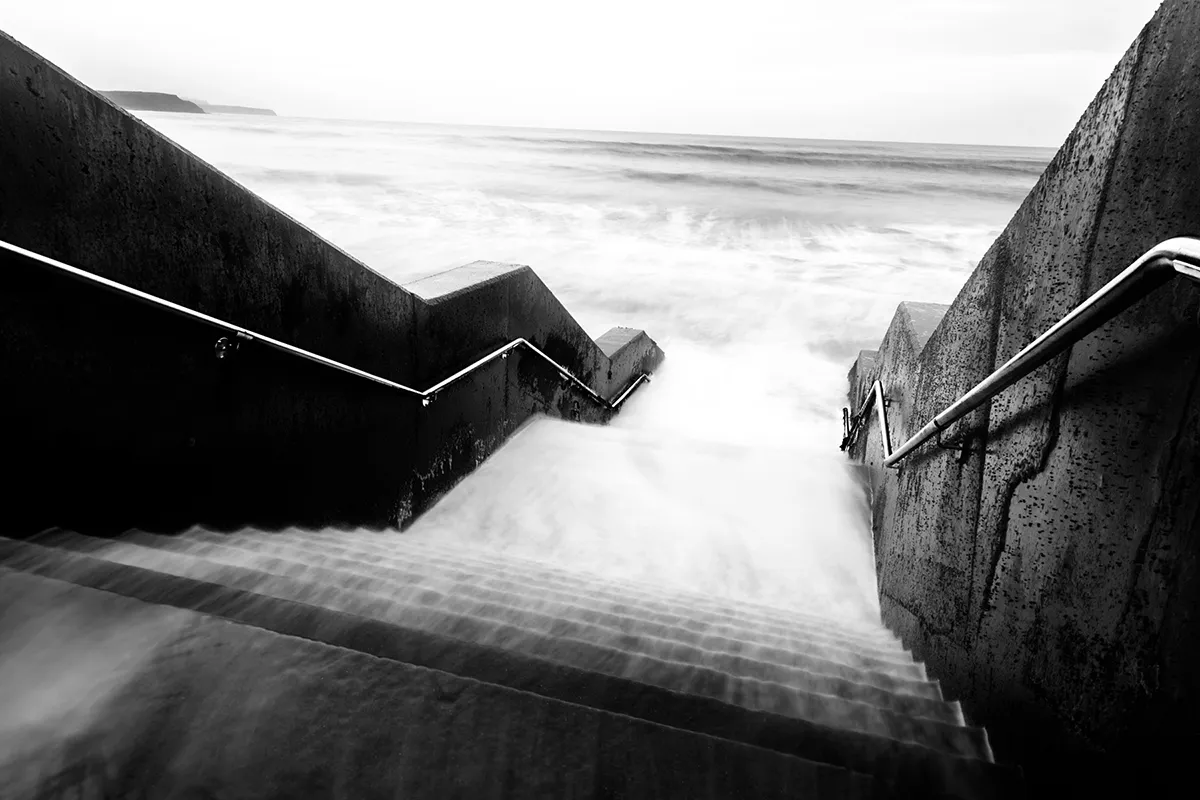
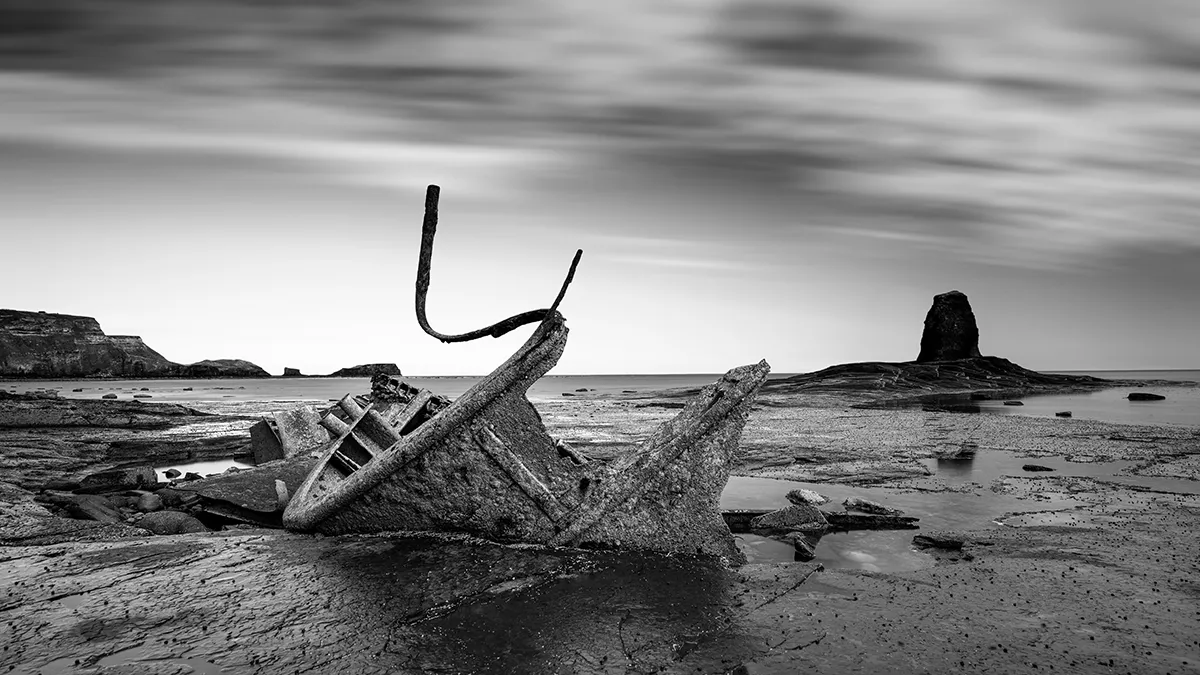
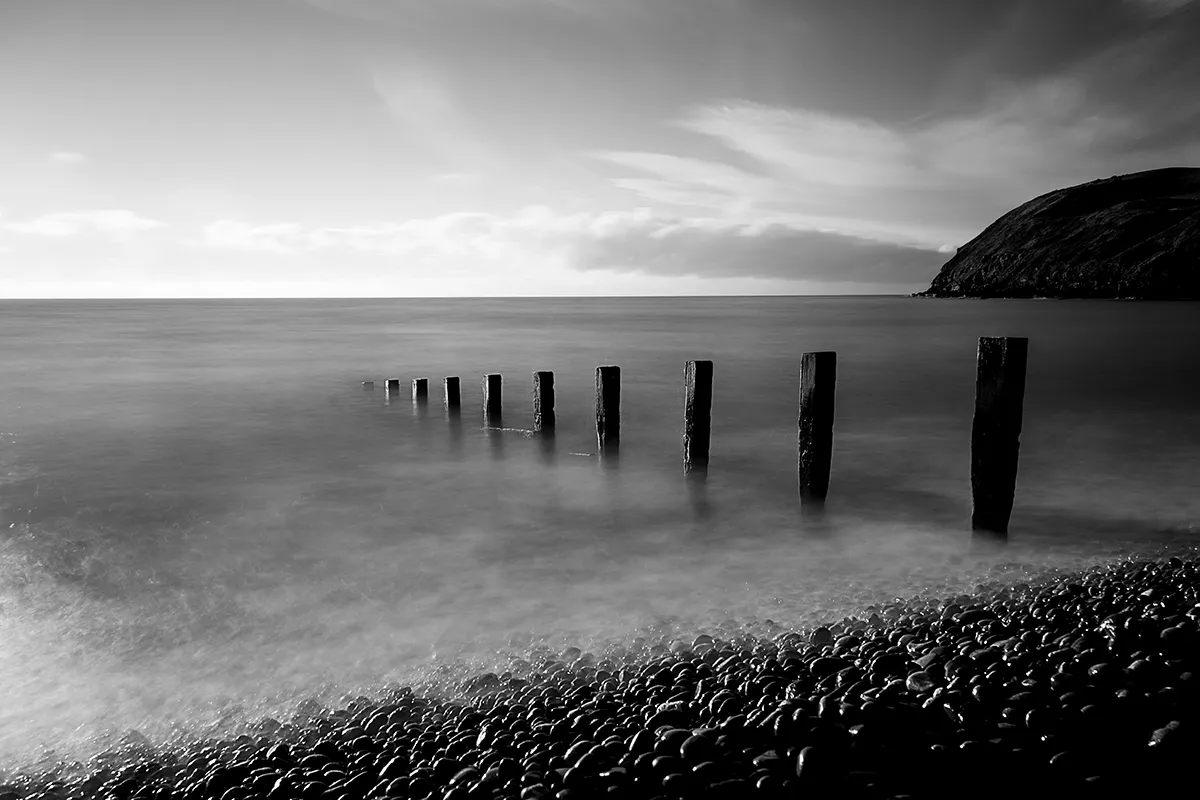
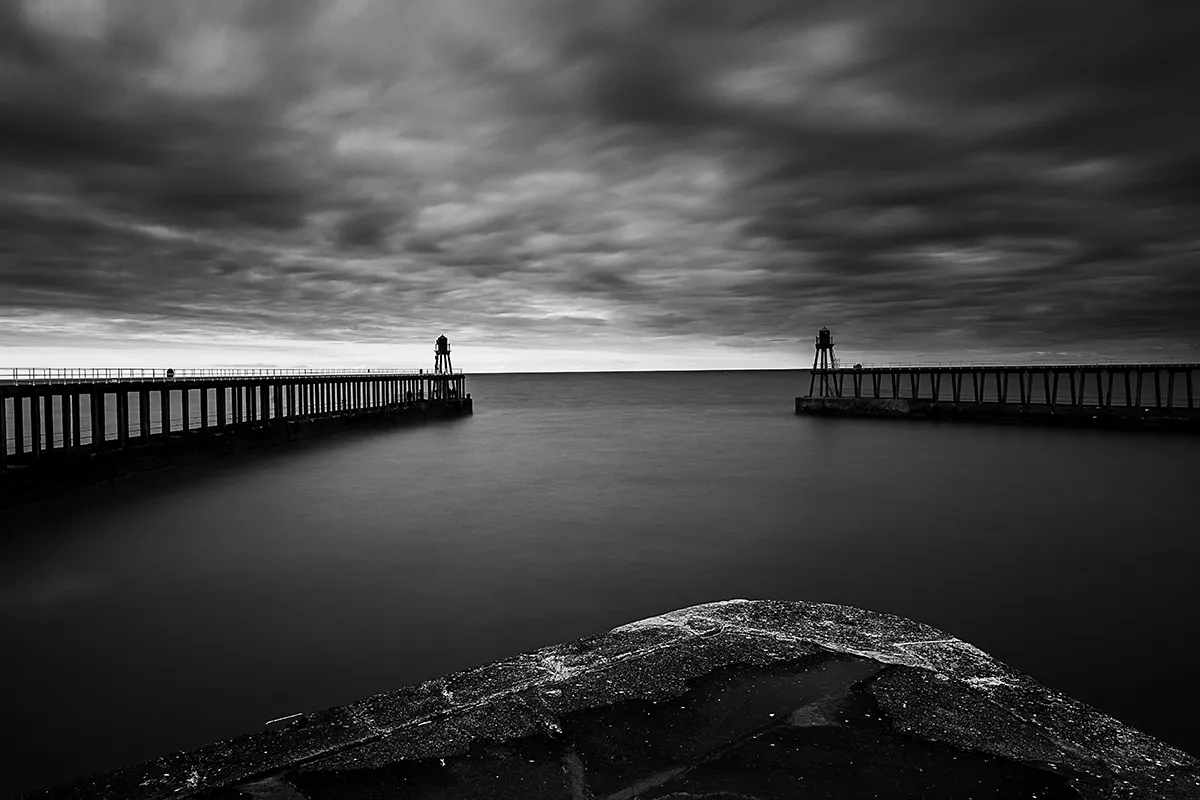
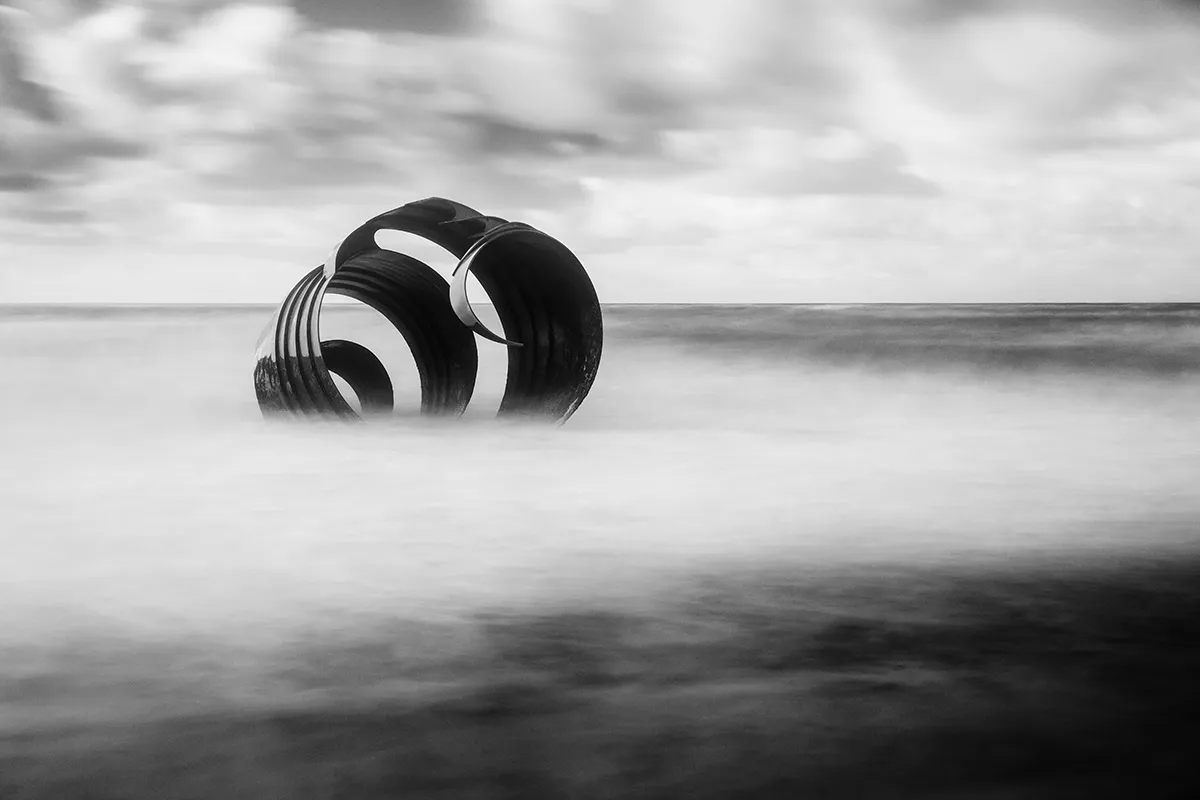
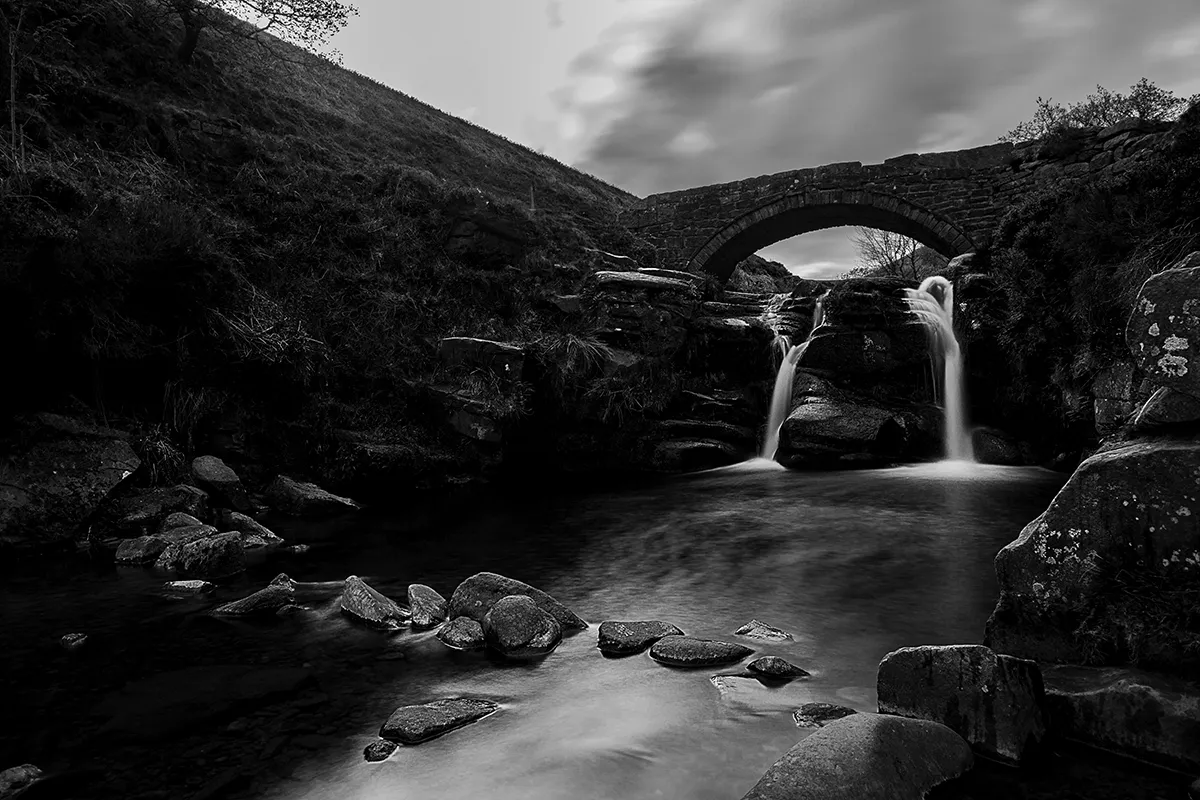
This is where the 5D Mark IV earns its place for me. Paired with my LEE100 filters on the Benro Tortoise, it turns moving water into smooth, simple shapes, and I finish a lot of these in black and white as fine art.
The sea and beaches are my favourite subjects for it: waves washing over the steps in Scarborough, groynes running into a flat sea, piers and harbours on the Yorkshire coast.
Timelapse Photography
The 5D Mark IV is my main timelapse camera. It has a built-in interval timer, so I can set it shooting on the tripod and leave it running through sunset, a night or a sunrise while I sit in the tent. The full-size RAW files give me plenty to work with when I grade the sequences.

Landscapes on the Fells
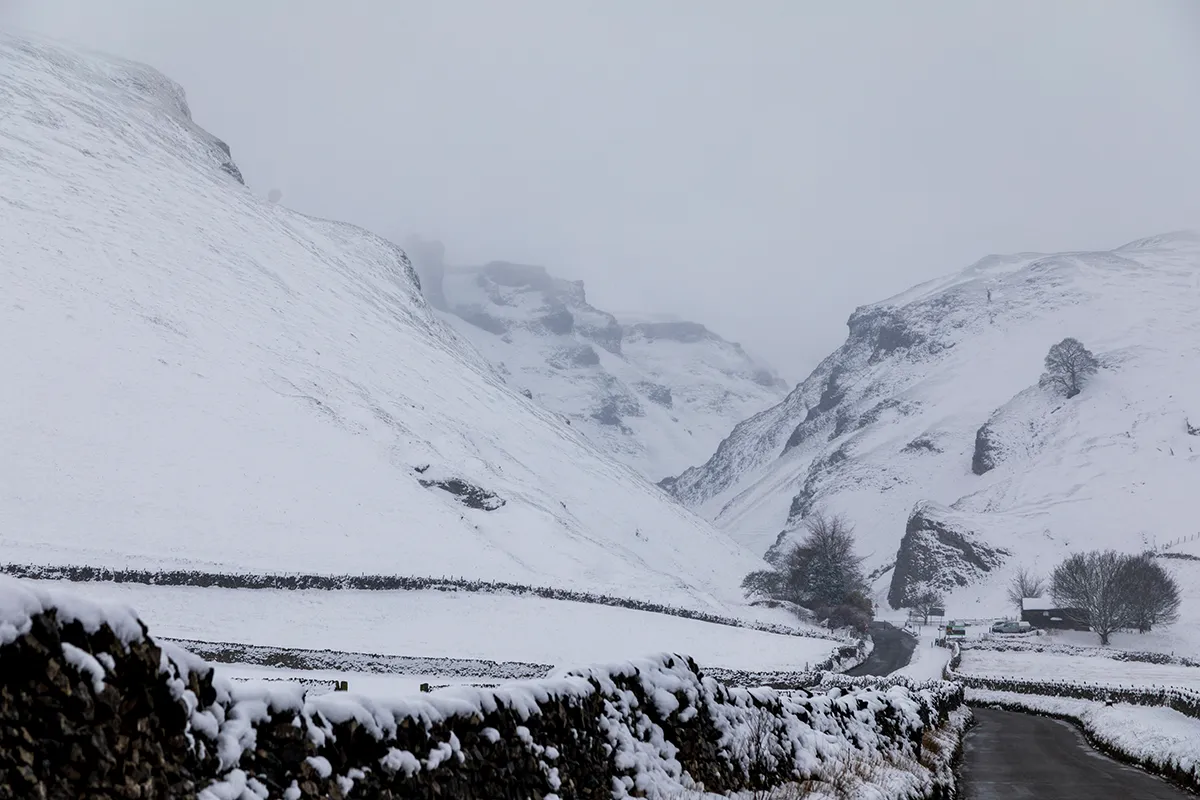
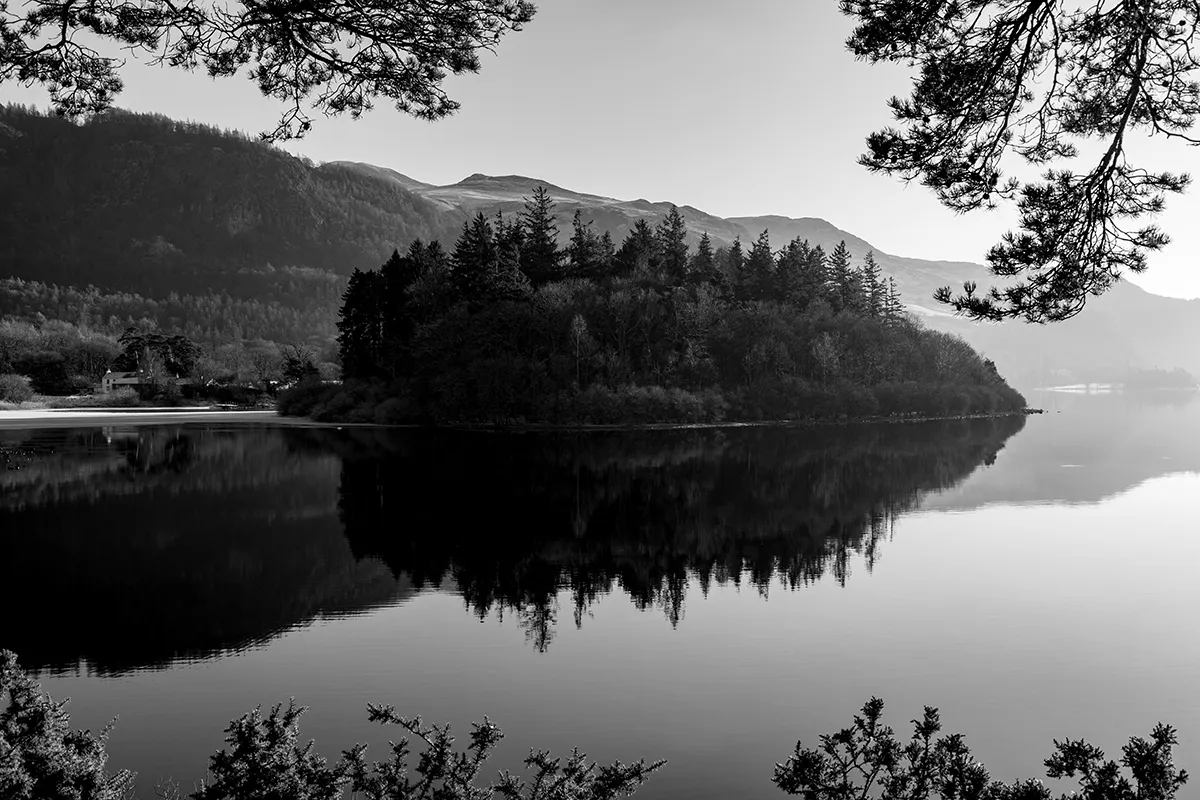
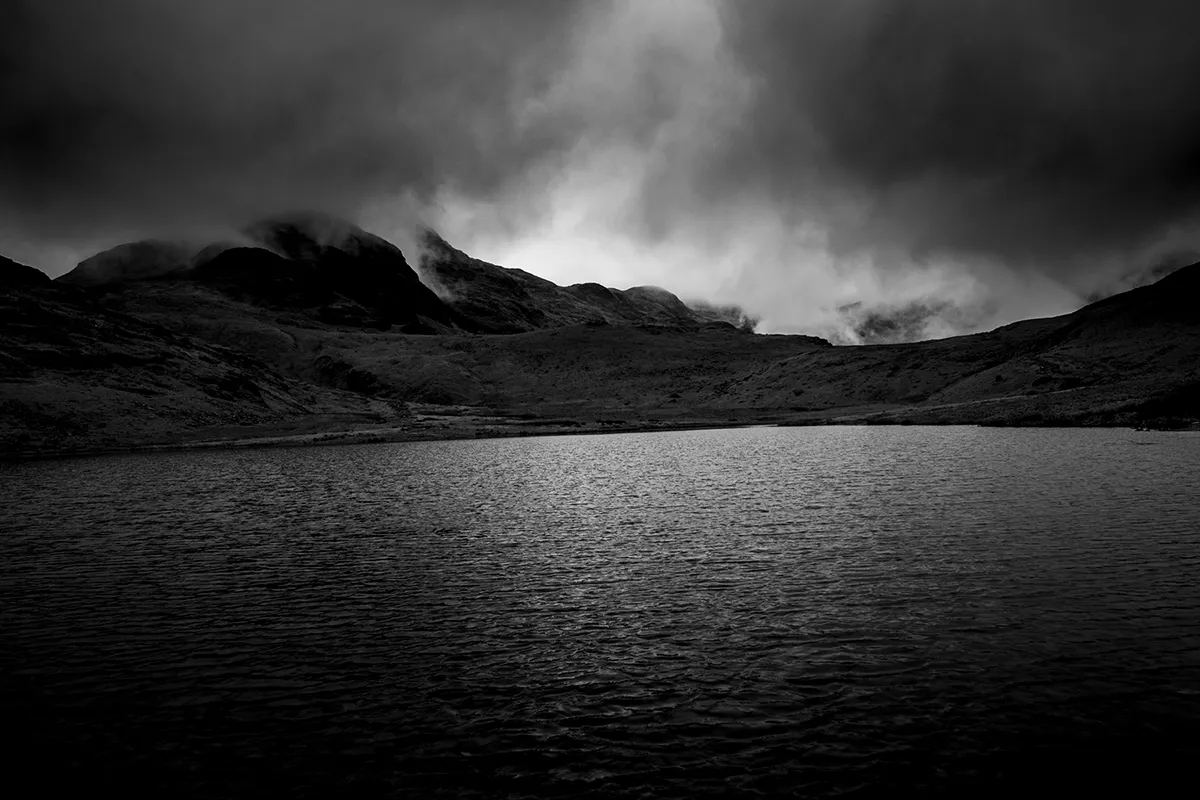
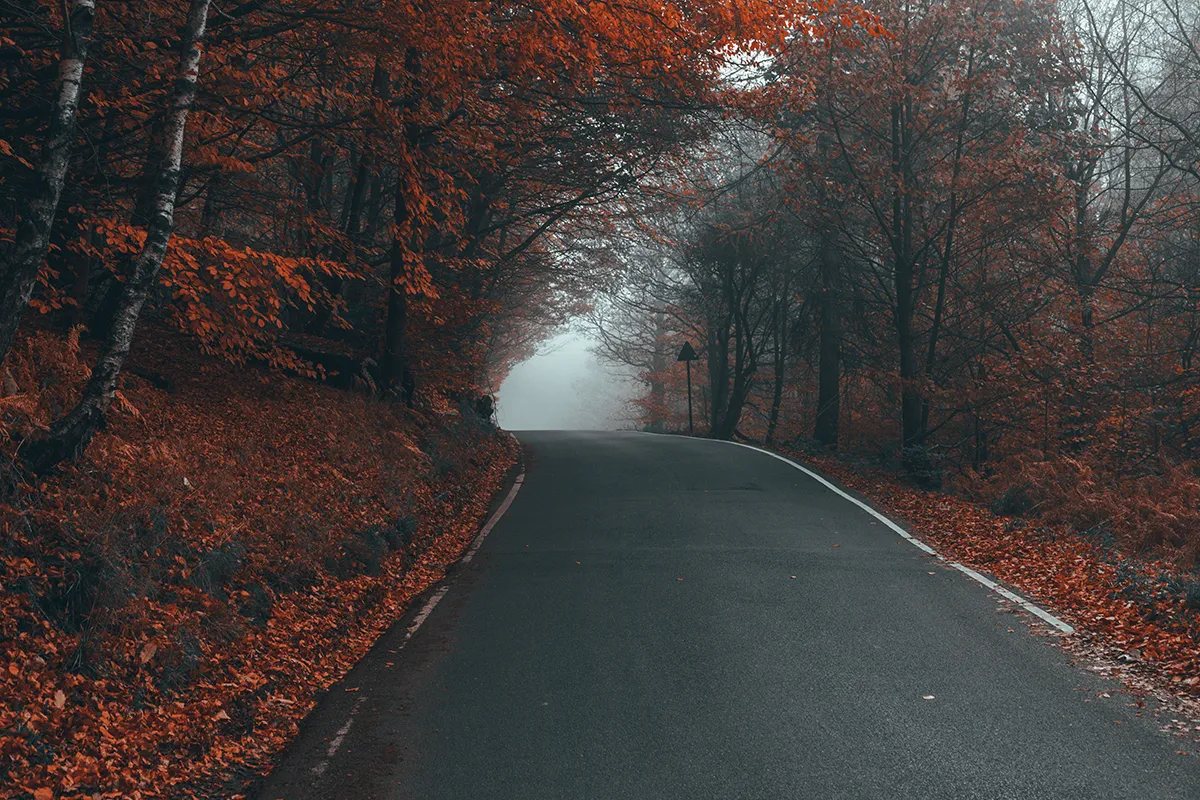
Out on the hills it does everything I need, from wide views with the 24mm to picking out details with the 24-105mm.
Wedding Photography
Beyond landscapes, the 5D Mark IV is the camera I use for weddings. Clean files at higher ISOs and dependable autofocus mean I can work in dim churches and evening receptions without flash, and the touchscreen lets me move the focus point quickly and quietly during the ceremony. Battery life easily covers a full wedding day.
Where It Falls Short
In all the time I’ve used it, only two things have bothered me:
No flip screen: the rear screen is fixed. When the camera is low to the ground for a long exposure, or high on the tripod, I’m crouching or stretching to see it. My knees have opinions about this. A tilting screen would make a real difference.
Highlights clip early on long exposures: on long exposures, bright skies and white water burn out sooner than I’d like. I keep a close eye on the histogram, use graduated filters and bracket when the light is harsh.
Alternative Options Worth Considering
Canon EOS R5: the mirrorless step up, with 45MP, in-body stabilisation and a fully articulating screen, and your EF lenses work on an adapter. Much more expensive.
Nikon D850: a 45.7MP DSLR with excellent dynamic range and a tilting screen, but it means a whole new lens system.
Sony A7R IV: 61MP in a smaller mirrorless body, again with a different lens system and very different handling.
Canon 5D Mark IV review: the bottom line
The Canon 5D Mark IV has been a brilliant camera for me. It handles long exposures, fine art, timelapse, landscapes and weddings, and it has never let me down. If I could change two things, I’d add a flip screen and a bit more highlight headroom on long exposures. Bought used, it is still one of the best-value full-frame cameras for landscape photography.
Everything else I carry is on my wild camping and photography kit list.
SCORE

Related reviews
- Canon EF 24-105mm f/4L USM review
- Canon EF 24mm f/1.4L II USM review
- Canon EF 70-200mm f/2.8L IS II USM review
- Benro Tortoise TTOR35C tripod review
Want the full picture? Everything I carry is in my wild camping and landscape photography kit list.
 The kit I carry
See what makes the rucksack
Every tent, sleeping bag, layer and lens I trust, with honest reviews of each.
Got a gear question?
Tell me what you’re planning and I’ll tell you what I’d take.