
PolarPro Peter McKinnon VND Edition II Review
Variable ND for videoLast updated: October 2026
To get smooth, natural-looking video on a bright day you need a slow shutter speed, and that means cutting the light with an ND filter. I bought both PolarPro Peter McKinnon Edition II variable ND filters, the 2–5 stop and the 6–9 stop. This is my honest review, including the fact that I haven’t used them as much as I planned.
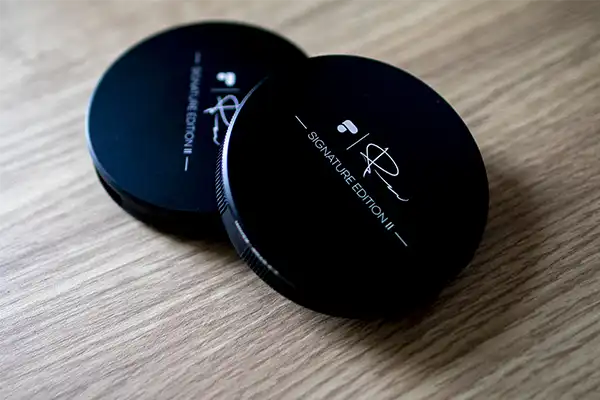
PolarPro Peter McKinnon Edition II at a glance
| Filters | PolarPro Peter McKinnon Variable ND Edition II |
|---|---|
| Strengths | 2–5 stops and 6–9 stops |
| Control | Click stops at each half stop, with hard stops at each end |
| Build | Metal frame and quality glass, with a protective case |
| Best for | Video in bright light at slow shutter speeds |
Why I bought them
Filming on bright days, I couldn’t get down to a cinematic shutter speed without overexposing, even stopped down. I’d been watching Peter McKinnon’s videos, and his VNDs looked like the answer. YouTube is very good at that, so I bought both strengths to cover everything from overcast to bright snow.
I film at 24fps, so I want my shutter speed at 1/50, roughly double the frame rate, for natural-looking motion. On a bright day, even at ISO 100 and stopped down, 1/50 lets in far too much light. The VND is how I get the shutter down to 1/50 without closing the aperture to f/16 and losing the look. The sun, sadly, doesn’t care about the 180-degree rule.
What I like about the PolarPro VNDs
The click stops. Each half stop clicks, so I can set exposure by feel and repeat it exactly.
No cross-polarisation X. The hard stops at each end stop you hitting the dark X pattern cheap variable NDs suffer from.
Good colour. Very little colour cast, and what there is at the strongest settings is easy to correct.
Well made. Solid metal, smooth to turn, and the case protects them in the bag.
What could be better
The price for two filters. Buying both strengths is a big spend, especially for filters that spend most of their time in a drawer.
For landscapes I use my Lee filters. For stills and long exposures the LEE100 system is better, so the VNDs are mainly for video.
The honest bit. I haven’t used them as much as I planned. They’re excellent filters; I just need to film more. The filters are ready. I’m the problem.
Do you need both strengths?
If you film mostly in the UK, the 2–5 stop covers most days. The 6–9 stop is for bright sun, snow, the beach or very wide apertures. Start with the 2–5 and add the 6–9 if you need it.
Verdict
The PolarPro Peter McKinnon VND Edition II filters are some of the best-made variable NDs I’ve used, with excellent colour and handy click stops. They’re expensive, and only worth it if you film regularly, but for video in bright light they do the job beautifully.
PolarPro VND FAQ
What is a variable ND filter for?
It cuts light by a variable amount so you can use a slow shutter speed for natural-looking video in bright light.
Which PolarPro VND should I buy, 2-5 or 6-9?
For most UK filming the 2-5 stop is enough. The 6-9 stop is for bright sun, snow or very wide apertures.
Do PolarPro VNDs have a colour cast?
Very little in my experience, with a slight warm cast at the strongest settings that is easy to correct.
SCORE
Related reviews
- Lee Filters LEE100 Deluxe Kit review
- MindShift Gear Filter Hive review
- GoPro Hero 12 Black review
- DJI Mavic 2 Pro review
Want the full picture? Everything I carry is in my wild camping and landscape photography kit list.
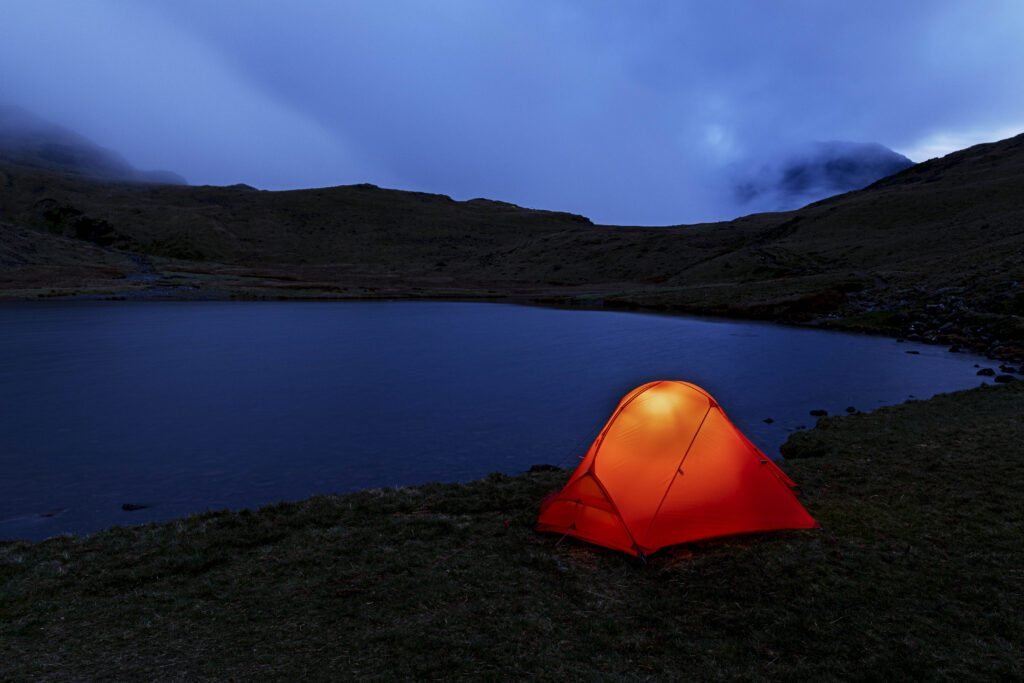 The kit I carry
See what makes the rucksack
Every tent, sleeping bag, layer and lens I trust, with honest reviews of each.
Got a gear question?
Tell me what you’re planning and I’ll tell you what I’d take.