
Vango Pulsar Pro 300 Review: Great Family Tent, Wrong Mountain Tent
Too big, too heavy, and one gust from finishedLast updated: October 2026
This Vango Pulsar Pro 300 review starts with a confession: every bit of kit in my rucksack has earned its place the hard way. The Vango Pulsar Pro 300 is the tent that taught me how. It gave my family one of our best nights out, gave me one of my worst on a mountain summit, then finished itself off on a Lake District fell. Three outings, three very different reviews.
This isn’t a spec-sheet review. It’s what actually happened when I took a three-person family tent places it was never meant to go, and why that set me on the search that ended with the tent I carry today.
Vango Pulsar Pro 300 review at a glance
| Tent | Vango Pulsar Pro 300 |
|---|---|
| Sleeps | 3, with room to cook |
| Weight | 4.3 kg |
| Style | Tunnel tent, inner and fly pitch together as one |
| Flysheet | 68D 190T ripstop polyester, taped seams |
| Groundsheet | 70D polyester, 6000 mm hydrostatic head |
| Poles | Yunan Eco Alloy, with Vango TBS II tension bands |
| Doors | Twin flysheet doors, porch with groundsheet |
| RRP | £230 |
| Great for | Family camps and short walk-ins from the car |
| Not for | Carrying solo, exposed summits, wind |
| Still in my rucksack? | No. Retired after a pole bent in a single gust |
Why I bought it
I bought the Pulsar Pro 300 as a family tent, so my wife, our young lad and I could go wild camping together. I did all the research and on paper it looked perfect: big enough to sleep three, with enough room left over to cook. For what I wanted at the time, it ticked every box. Vango aims the Pulsar Pro range at gear-heavy trips like kayaking and cycle touring, with a big covered porch and tension bands to steady it in wind. Looking back, though, I bought the wrong tent for the camping I’d end up doing.
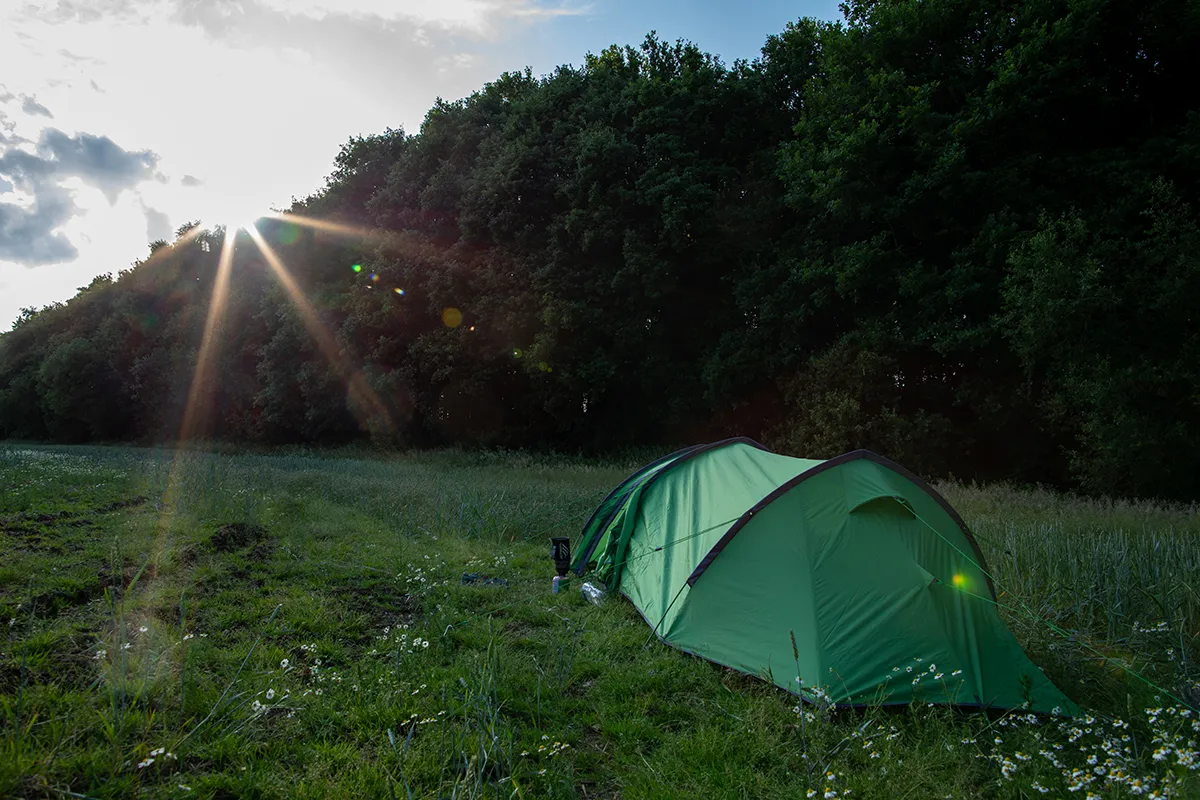
Cayton Bay: the perfect first night
Our first trip out was to Cayton Bay, just down the coast from Scarborough. We started the way every good camp should: in the pub, with a couple of pints of Guinness. Research, mostly. Then we wandered back to the car to collect the camping gear.
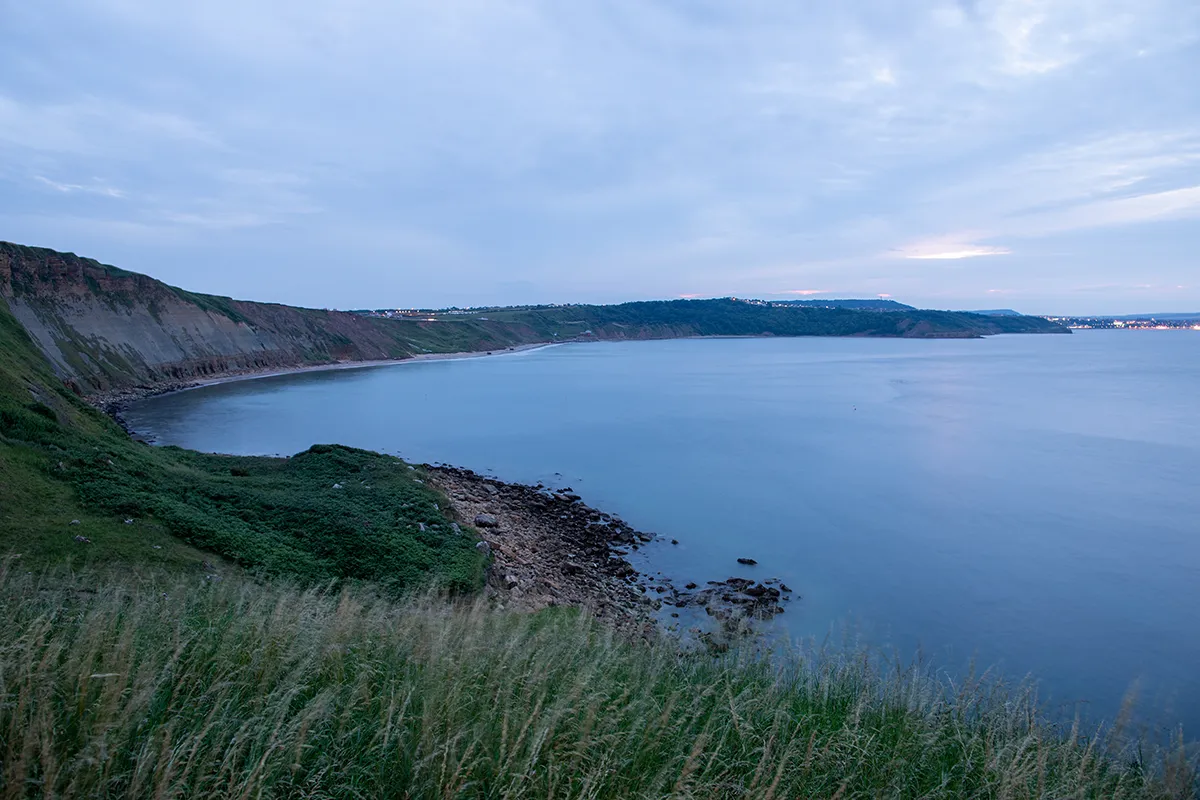
From there we headed south past the Second World War defences and followed the cliff line, high above the beach, until we dropped down to a lower cliff top. That’s where we pitched. With the tent up we played Ludo on the iPad until we were too tired to keep our eyes open.
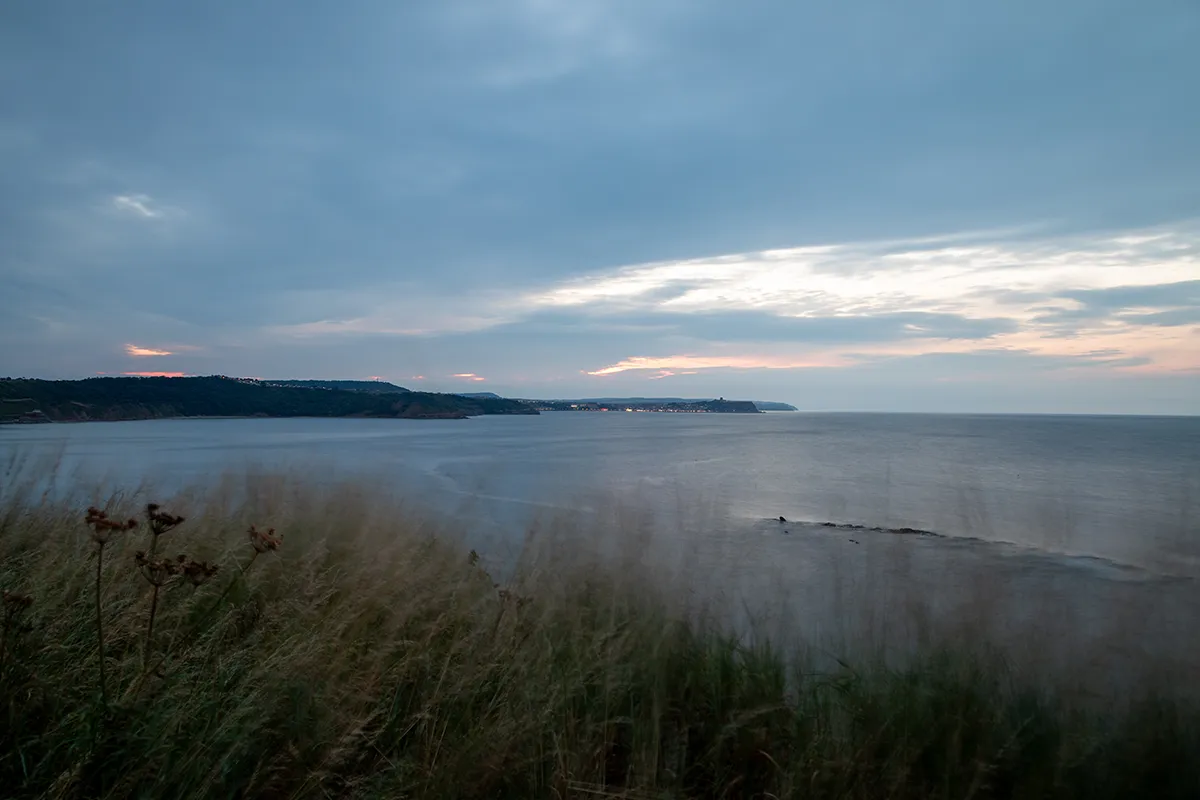
In the morning, with my wife and the lad still asleep, I walked a little way down the coast and found seals resting on a beach below the cliffs, a beach there was no way of getting down to. Watching them in that early light, ten minutes’ walk from the car, was a fantastic way to start the day.
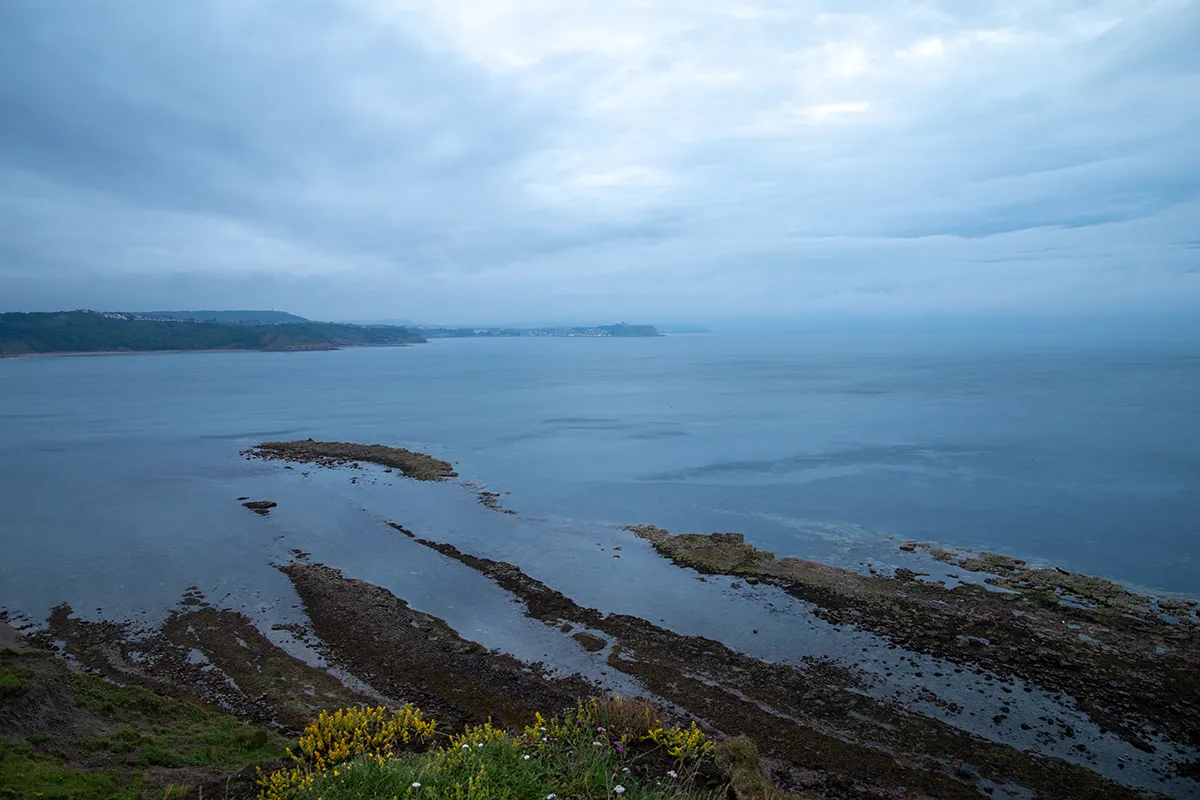
For a night like that, the Pulsar Pro 300 was spot on: loads of room, a short carry and a sheltered pitch. Here’s how I pitch it.
Helvellyn: where it all went wrong
Then I was invited out on a summit camp on Helvellyn. This is where poor choices, made through lack of experience, really showed their heads. I learned more on that one night than on any camp since.
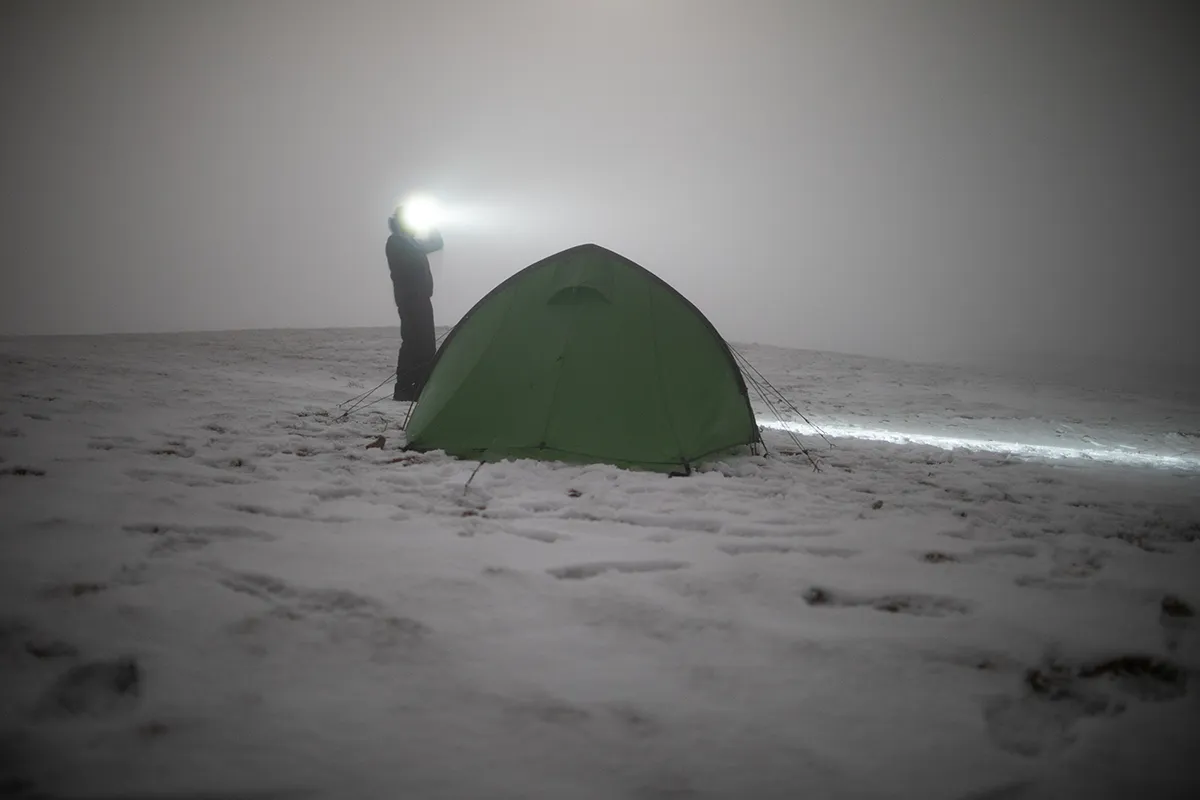
The wrong tent
The Pulsar Pro 300 was simply not suitable. It was large, and at 4.3 kg it was far too heavy for one person to carry up a mountain. It isn’t a four-season mountain tent, which the summit pointed out fairly quickly. The wind came straight through it, as if it hadn’t noticed it was there.
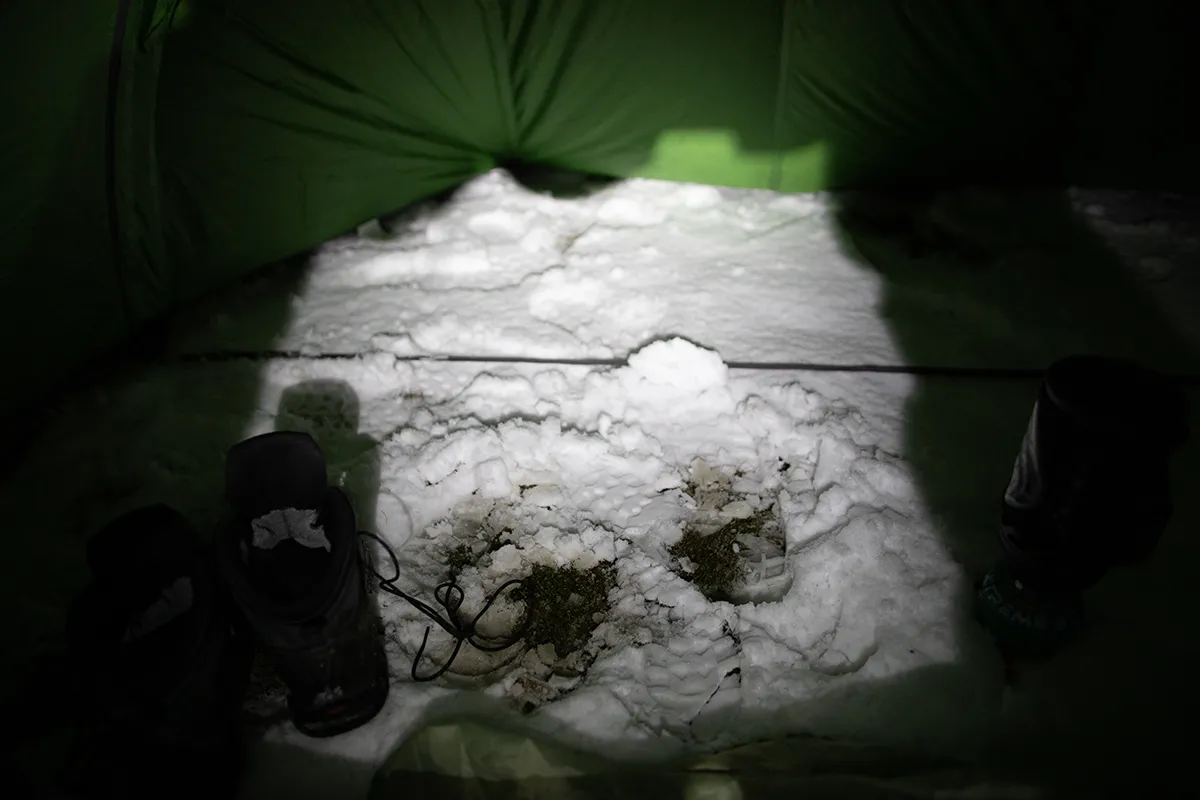
The wrong sleeping bag
My sleeping bag, a Vango Ultralite Pro 300, wasn’t built for the job. It was heavy too, and nowhere near warm enough for a night on top of Helvellyn.
The wrong mat
Underneath me was a Therm-a-Rest Z-Lite Original regular closed-cell foam mat. It was awful: thin, cheap, and about as warm as lying on the fell itself, which, to be fair, is roughly what I was doing.
The wrong gas
To top it all off, I didn’t bring the right gas for the Jetboil. I needed the performance gas and I’d brought the regular stuff, so my food never quite reached boiling. Lukewarm rehydrated meals on a frozen summit: I wouldn’t recommend them. By the middle of the night I was seriously considering walking home.
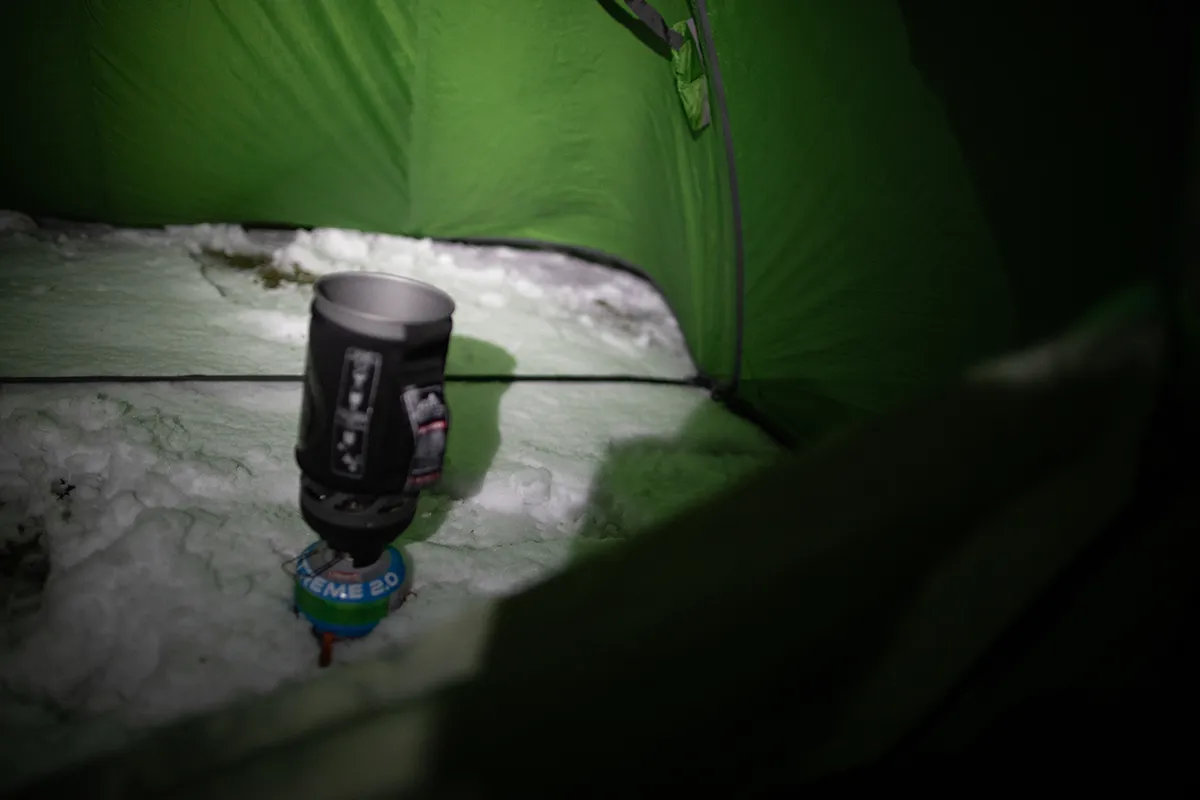
My friends, meanwhile, were tucked up in Hilleberg Soulos and winter bags, looking annoyingly comfortable. That night was serious, and it made me rethink my entire kit.
The day the tent died
The Pulsar Pro’s last outing was back in the Lake District. I deliberately picked something easy: a low-lying fell 30 minutes from the car, around 200 metres above sea level, on a mild evening. Not exactly the north face of the Eiger.
I was nearly finished pitching when a gust of wind tugged at the pole in my hand and bent it completely out of shape. It was still daylight, so I packed up what was left, jammed it into the stuff sack and headed back down to the car. That tent was finished.
Searching for the right tent: the Goldilocks test
Remember Goldilocks and the three bowls of porridge? Too hot, too cold, then just right. My search for a wild camping tent went exactly the same way.
Too big: Vango Pulsar Pro 300
A brilliant family tent for a short walk from the car, but far too big and heavy to carry alone, and no match for a mountain summit.
Too small: Terra Nova Laser Competition 2
Next I picked up a Terra Nova Laser Competition 2 in a sale. It swung me too far the other way: it was too small for me.
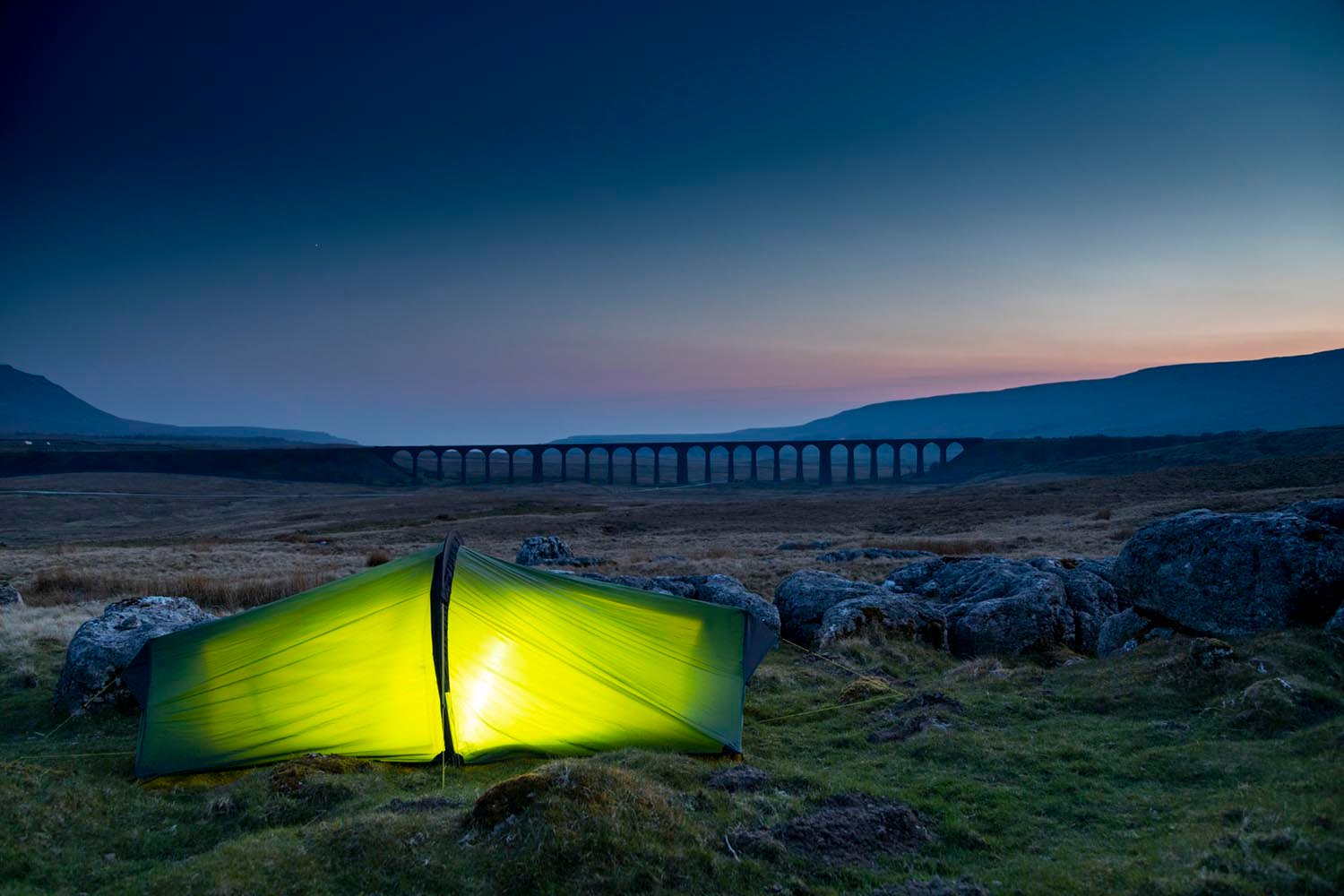
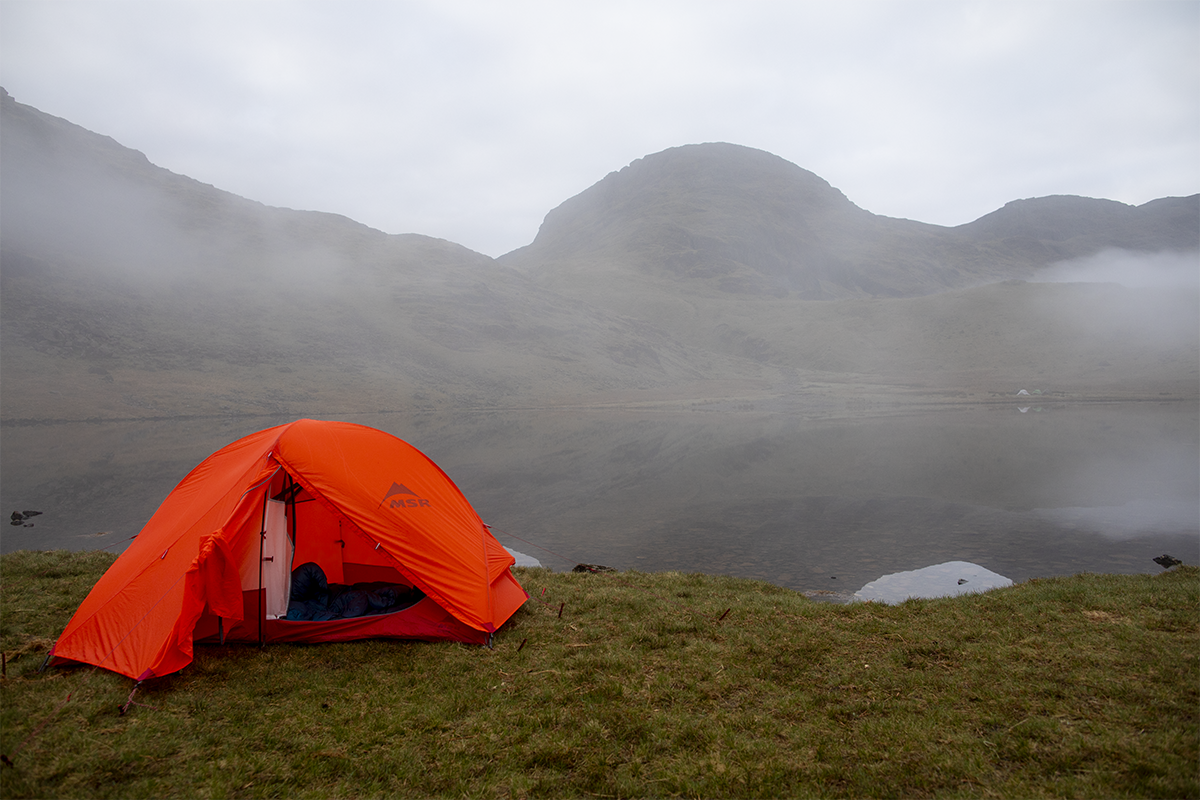
Just right: MSR Access 2
Then I bought my dream tent, the MSR Access 2. It’s the one that has earned its place in my rucksack, and the one you’ll see in most of my wild camping photos and videos.
The Rucksack Test verdict
Would the Vango Pulsar Pro 300 earn a place in my rucksack today? No. But that isn’t the same as saying it’s a bad tent. It’s the wrong tent for the way I camp now.
- Space and comfort: excellent. Room for three people plus cooking space.
- Weight and packability: poor for one person. 4.3 kg is a lot to carry up a fell on your own.
- Protection: fine on a sheltered coastal cliff top; the wind blew straight through it on a mountain summit.
- Durability: a single gust bent a pole beyond use while I was pitching on a low fell.
Buy it if you want a roomy family tent for camps a short walk from the car, or a base for motorbike touring, where the bike carries the weight and you get room for your kit and space to cook. Look elsewhere if you’re carrying it solo, heading for the tops, or expecting wind.
Better alternatives
- Solo mountain camps: the MSR Access 2. My “just right” tent, and the one that’s in my rucksack today.
- When every gram counts: the Terra Nova Laser Competition 2, if you can live with the space. It was too small for me; see my MSR Access 2 vs Terra Nova Laser Competition 2 comparison.
- Family camps or motorbike touring: the Pulsar Pro 300 itself still makes sense. It’s big, roomy and the weight matters far less when you’re not carrying it far.
What that night on Helvellyn taught me
- Match the tent to the terrain. A family tent and a summit camp don’t mix.
- Weight matters when you’re the one carrying it.
- Your mat matters as much as your sleeping bag. The cold comes up from the ground.
- Check your gas before you leave. On a cold summit the wrong canister can mean no hot food.
- Learn from people who’ve done it. My friends’ Hilleberg Soulos and winter bags said it all.
Vango Pulsar Pro 300 FAQ
Is the Vango Pulsar Pro 300 good for wild camping?
For family wild camps a short walk from the car, yes. Our night on the cliffs at Cayton Bay was fantastic. For carrying solo up onto the fells, no. At 4.3 kg it’s heavy for one person, and it didn’t cope with the wind on Helvellyn.
Is the Vango Pulsar Pro 300 a 4-season tent?
No. It isn’t a four-season mountain tent. On a summit camp on Helvellyn the wind blew straight through it, and a single gust later bent a pole while I was pitching on a low Lake District fell.
How heavy is the Vango Pulsar Pro 300?
Mine weighed 4.3 kg. That’s fine shared between a family or strapped to a motorbike, but it’s a lot to carry up a mountain on your own.
Is the Vango Pulsar Pro 300 good for motorbike camping?
I think that’s where it makes the most sense. There’s room for three people or one rider and all their kit, space to cook, and the bike carries the weight. Just pick a sheltered pitch.
What should I buy instead for mountain wild camping?
After a too-big tent and a too-small one, I settled on the MSR Access 2. It’s the tent that earned its place in my rucksack for solo mountain camps.
What’s next
Too small and just right deserve a proper side-by-side. Read my MSR Access 2 vs Terra Nova Laser Competition 2 comparison to see why one made it into my rucksack and the other didn’t.
Keep reading
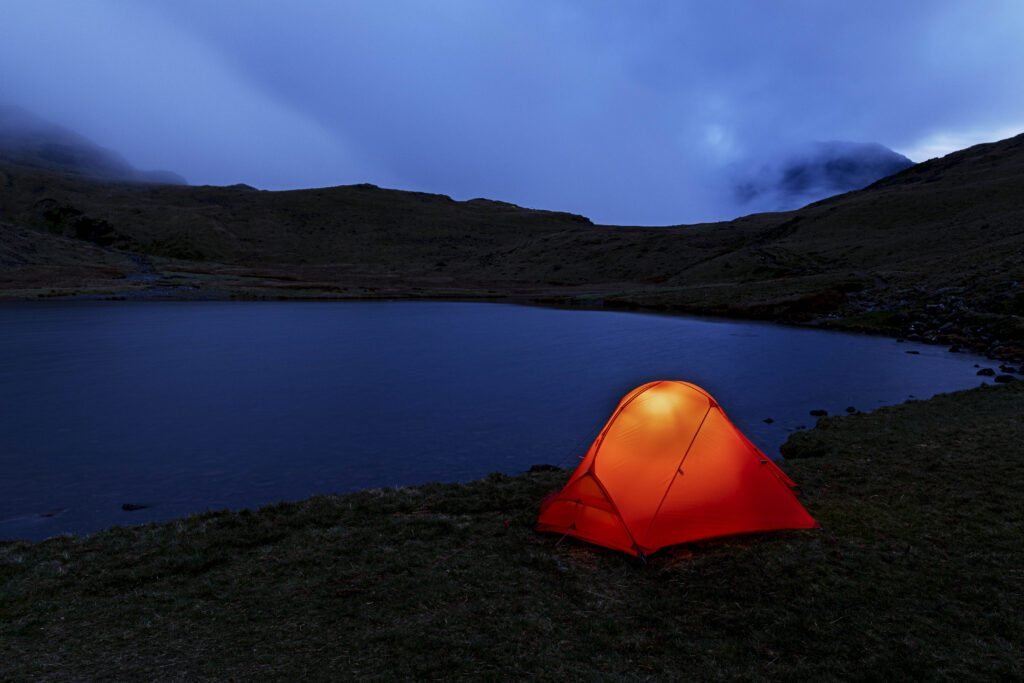 The kit I carry
See what makes the rucksack
Every tent, sleeping bag, layer and lens I trust, with honest reviews of each.
Choosing your first wild camping tent?
Tell me where you’re heading and I’ll tell you what I’d take.